Анализ доходности майнинг-пулов: на что обратить внимание?
Анализ доходности майнинг-пулов является важным этапом для любого майнера, желающего оптимизировать свои инвестиции и получить максимальную прибыль. Доходность майнинг-пулов зависит от множества факторов, включая технические параметры, экономические условия и управленческие практики. Понимание этих факторов и умение их анализировать помогает майнерам принимать обоснованные решения и достигать лучших результатов. Рассмотрим, на что следует обратить внимание при анализе доходности майнинг-пулов и какие аспекты являются ключевыми для успешного майнинга.
Первым важным аспектом является выбор правильного пула для майнинга. Разные пулы предлагают различные условия и структуры вознаграждений. Важно изучить, какие алгоритмы майнинга поддерживает пул и насколько они соответствуют вашему оборудованию. Различные алгоритмы могут иметь различную сложность и энергоэффективность, что влияет на общую доходность. Выбор пула с оптимальным для вашего оборудования алгоритмом помогает увеличить эффективность майнинга и снизить затраты на электроэнергию.
Комиссии, взимаемые пулом, также играют важную роль в определении его доходности. Большинство пулов взимают комиссии за свои услуги, которые могут существенно варьироваться. Важно изучить структуру комиссий и сравнить их с другими пулами. Низкие комиссии могут значительно увеличить чистую прибыль майнеров. Однако следует учитывать, что низкие комиссии могут также означать недостаточное финансирование инфраструктуры и поддержки, что может повлиять на стабильность и надежность пула.
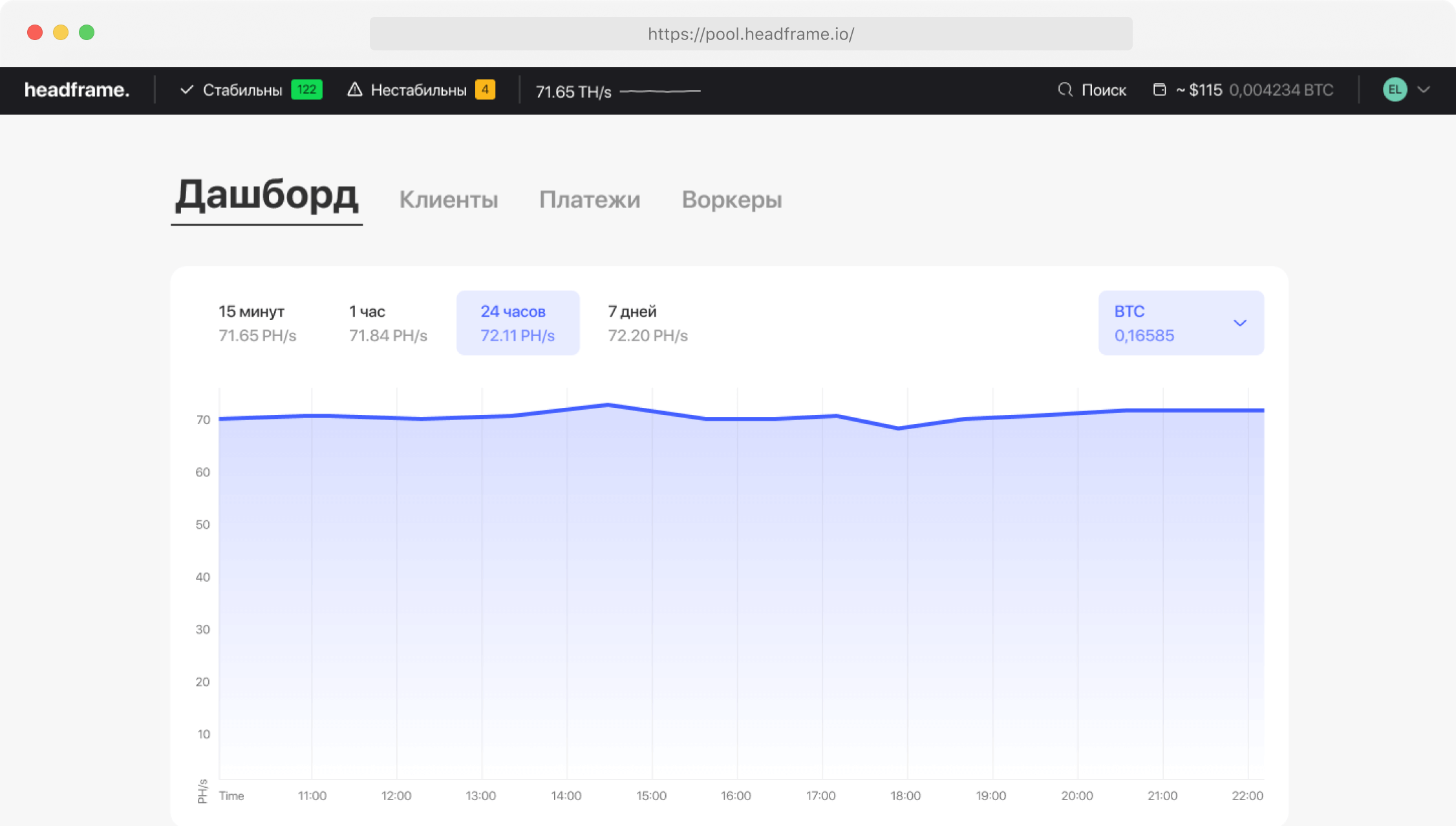
Стабильность работы пула является еще одним важным фактором. Частые сбои и перерывы в работе могут привести к потерям доходов. Важно выбирать пулы с высокой стабильностью и надежностью, которые обеспечивают бесперебойную работу. Репутация пула также играет важную роль. Отзывы и рейтинги других майнеров могут дать представление о надежности и производительности пула. Пулы с хорошей репутацией, как правило, привлекают больше участников и обеспечивают более стабильные доходы.
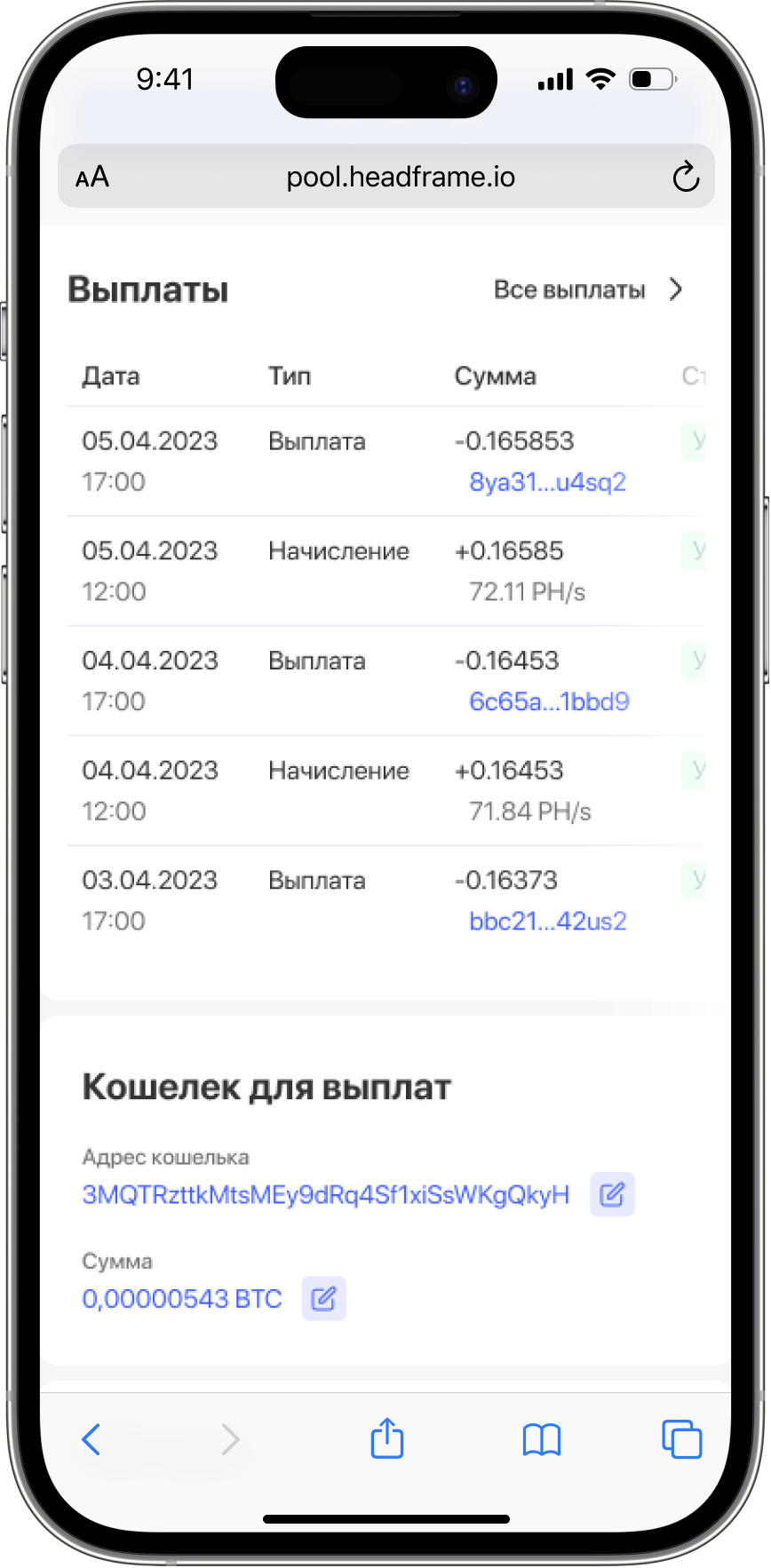
Эффективность распределения наград является критически важным аспектом анализа доходности майнинг-пулов. Разные пулы используют различные методы распределения наград, такие как Pay-Per-Share (PPS), Proportional, Pay-Per-Last-N-Shares (PPLNS) и другие. Каждый метод имеет свои преимущества и недостатки. Например, метод PPS обеспечивает стабильные и предсказуемые выплаты, но может взимать более высокие комиссии. Метод PPLNS, с другой стороны, может обеспечить более высокие выплаты, но с большей вариабельностью. Понимание этих методов и их влияние на доходность помогает майнерам выбрать оптимальный пул для своих нужд.
Экономические условия также оказывают значительное влияние на доходность майнинг-пулов. Колебания курсов криптовалют могут существенно повлиять на доходы майнеров. Важно учитывать текущие рыночные условия и прогнозы изменения стоимости криптовалют. В периоды роста цен на криптовалюты доходность майнинга может значительно увеличиться, тогда как в периоды спада доходы могут уменьшиться. Хеджирование рисков и диверсификация активов помогают минимизировать влияние рыночных колебаний на доходность.
Технические параметры и состояние оборудования также играют важную роль. Эффективность работы оборудования напрямую влияет на доходность майнинга. Регулярное обновление оборудования и использование передовых технологий помогают увеличить производительность и снизить энергозатраты. Важно также учитывать затраты на электроэнергию, которые составляют значительную часть расходов на майнинг. Выбор энергоэффективного оборудования и использование дешевых источников энергии помогают оптимизировать доходность.
Управление затратами является важным аспектом анализа доходности майнинг-пулов. Важно контролировать все расходы, связанные с майнингом, включая затраты на оборудование, электроэнергию, обслуживание и комиссии пула. Эффективное управление затратами помогает увеличить чистую прибыль и обеспечить устойчивость майнинговых операций. Разработка бюджета и регулярный анализ расходов помогают выявить и устранить избыточные затраты.
Прозрачность и отчетность пула также играют важную роль в анализе доходности. Пулы, которые предоставляют регулярные и подробные отчеты о своей деятельности, вызывают больше доверия у майнеров. Прозрачность в вопросах распределения наград, комиссий и затрат помогает майнерам лучше понимать, как работают пулы и какие результаты они могут ожидать. Регулярные отчеты также помогают выявить возможные проблемы и принять меры для их устранения.
Образовательные ресурсы и поддержка, предоставляемые пулом, могут значительно повлиять на успех майнеров. Пулы, которые предлагают обучающие материалы, техническую поддержку и консультации, помогают майнерам улучшить свои навыки и знания. Это способствует более эффективной работе и повышению доходов. Поддержка сообщества и обмен опытом между участниками также играют важную роль в успешном майнинге.
Инновации и развитие технологий являются ключевыми факторами в улучшении доходности майнинг-пулов. Внедрение новых алгоритмов майнинга, использование передового оборудования и программного обеспечения помогают увеличить производительность и снизить затраты. Технологические инновации также способствуют улучшению безопасности и надежности пула, что положительно сказывается на доходности. Поддержка исследований и разработок помогает пулу оставаться конкурентоспособным и адаптироваться к изменениям на рынке.
Социальная и экологическая ответственность также может влиять на доходность майнинг-пулов. Пулы, которые активно поддерживают экологические инициативы и используют возобновляемые источники энергии, вызывают больше доверия у майнеров и инвесторов. Это способствует улучшению репутации пула и привлечению новых участников. Социальная ответственность, такая как участие в благотворительных проектах и поддержка местных сообществ, также помогает создать позитивный имидж и укрепить связи с участниками.
Таким образом, анализ доходности майнинг-пулов включает множество аспектов, от выбора правильного пула и учета комиссий до управления затратами и использования инноваций. Понимание этих факторов и умение их анализировать помогает майнерам принимать обоснованные решения и достигать лучших результатов. В условиях быстро развивающейся криптовалютной индустрии успешный анализ доходности майнинг-пулов становится ключевым фактором для оптимизации прибыли и устойчивости майнинговых операций.