What to Know About Mining Pools Before You Start
- How mining pools work
- Understand reward distribution first
- Check pool reputation and reliability
- Do not ignore technical fit
- Know your own equipment and costs
- Electricity matters more than many beginners expect
- Mining conditions change constantly
- Do not overlook legal and tax questions
- A simple pre-start checklist
- Conclusion
Mining pools are one of the first concepts new miners need to understand before getting started. By combining computing power from multiple participants, pools improve the chances of earning rewards and make mining more accessible than going solo. But joining a pool without understanding how it works can lead to poor decisions and unrealistic expectations.
Before you begin, it helps to know how pools handle rewards, costs, equipment, and long-term strategy.
How mining pools work
A mining pool allows many miners to work together on the same objective instead of competing individually with limited odds of success. When the pool earns a reward, that reward is distributed according to the pool’s chosen payout rules.
This model gives participants a better chance of receiving regular income, even if each payout is smaller than a full solo reward would be.
Understand reward distribution first
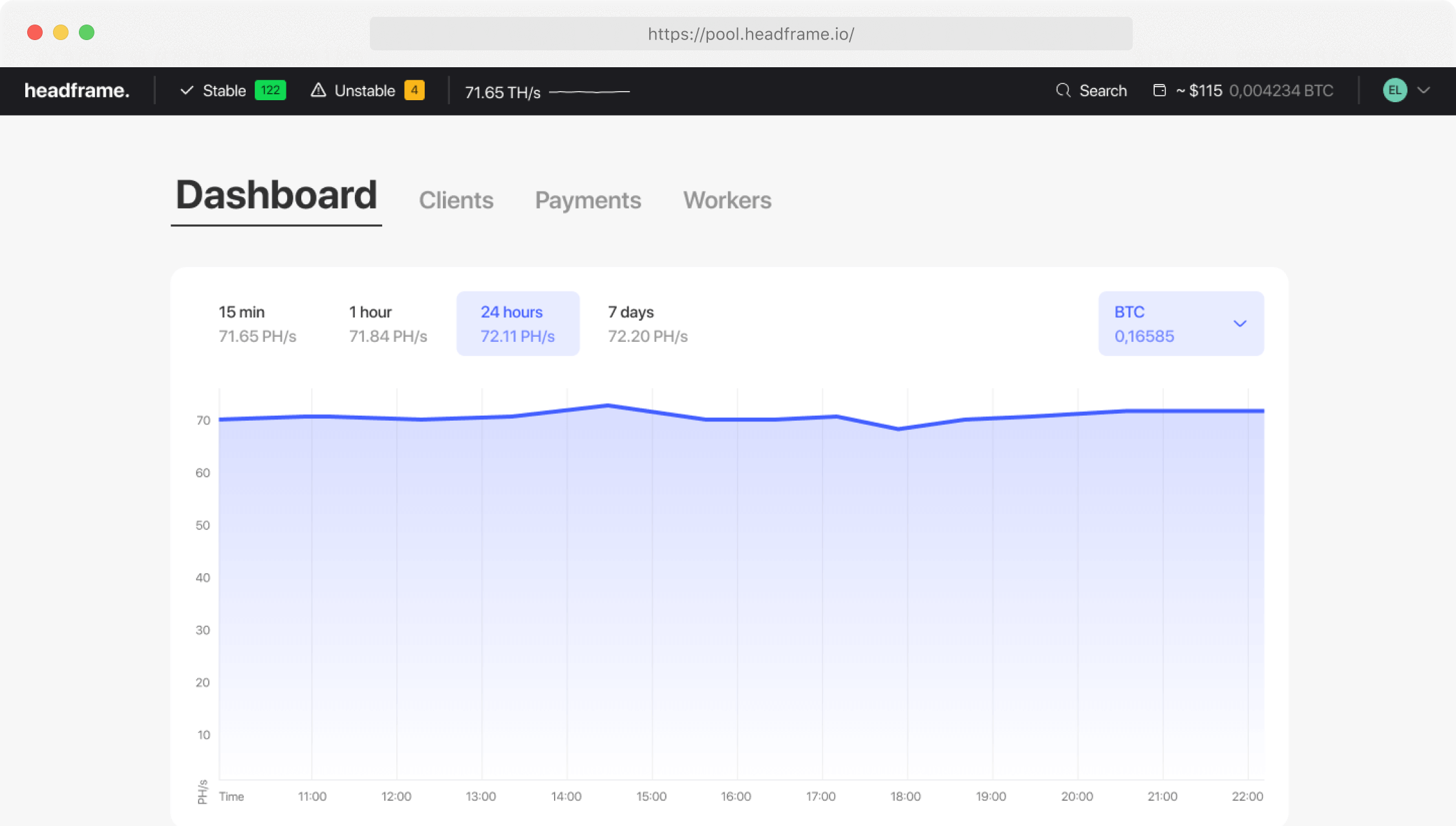
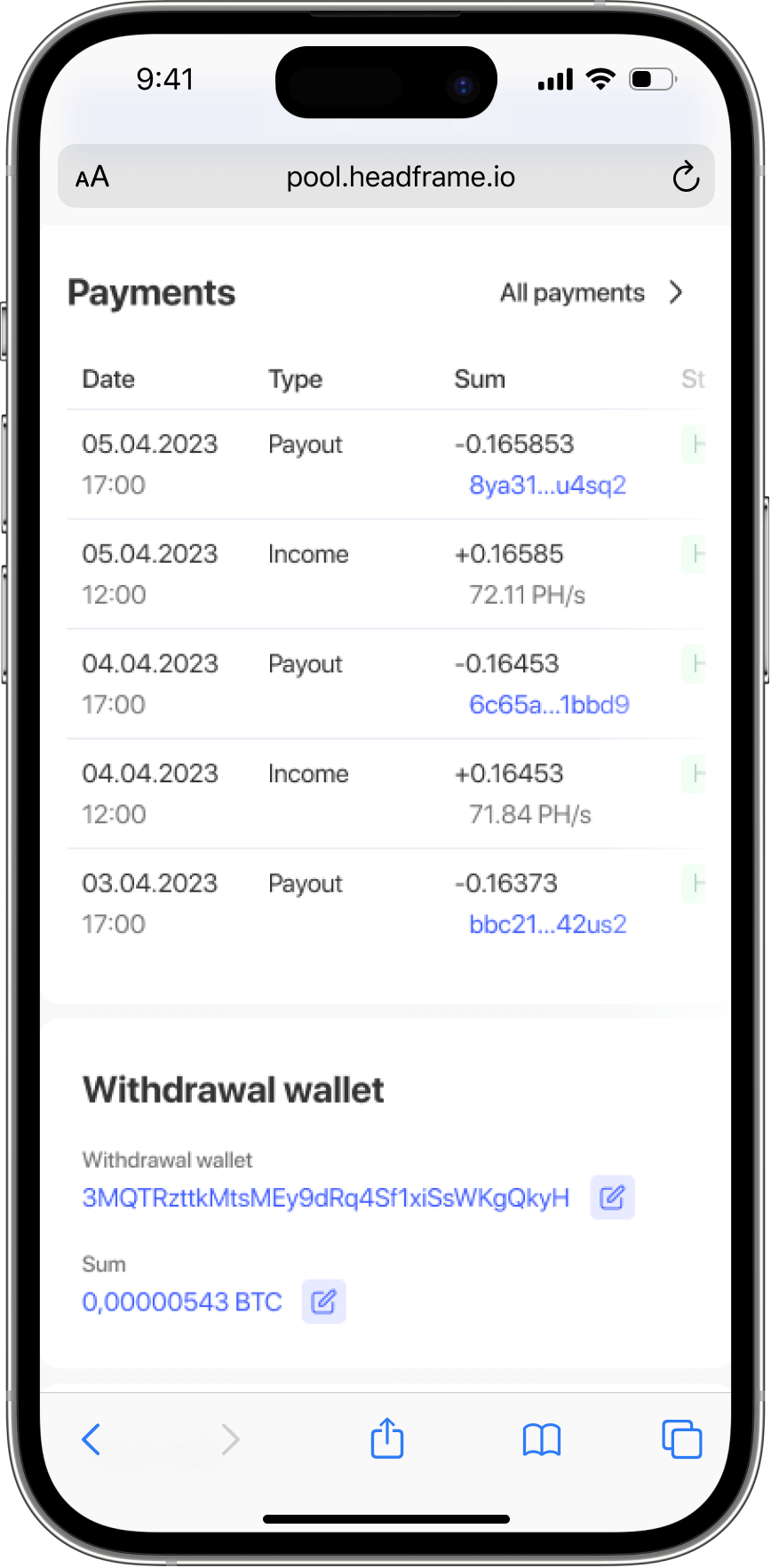
Before joining a pool, one of the most important things to check is how rewards are calculated. Different pools use different payout systems, and those differences directly affect how earnings are experienced over time.
You should also review how often payouts are made and whether the pool charges processing or participation fees.
Check pool reputation and reliability
Not all mining pools are equally dependable. A reliable pool should have transparent rules, stable infrastructure, and a history of fair operation. Clear reporting and positive user feedback are often good signs that the pool is managed responsibly.
Trust matters because miners rely on the pool to track contribution accurately and distribute rewards correctly.
Do not ignore technical fit
A pool also needs to match your technical setup. Before joining, it is worth checking whether the pool supports your mining hardware, how easy the software is to use, and what kind of support is available if problems appear.
These practical details can have a real impact on the quality of your mining experience.
Know your own equipment and costs
Mining requires more than joining a pool. It also depends on having equipment that makes sense for your goals and budget. GPUs and ASIC miners differ in cost, performance, and suitability for different mining setups.
Before getting started, miners should review the relationship between hardware cost and expected output rather than choosing equipment only by headline specifications.
Electricity matters more than many beginners expect
Power consumption is one of the biggest operating costs in mining. In some cases, electricity prices can reduce profitability so much that mining becomes difficult to justify. That is why it is important to estimate energy use before joining a pool and committing to a setup.
Even an efficient pool cannot make an unprofitable hardware and energy combination work well over time.
Mining conditions change constantly
Mining is not static. Network difficulty, competition, and market prices all change, and these shifts can affect how profitable a pool feels from one period to the next. Pools also respond differently to these changes, which can influence long-term results.
Beginners should expect to monitor conditions and make adjustments rather than assume one setup will always remain optimal.
Do not overlook legal and tax questions
Before starting, it is also important to understand whether mining income creates reporting or tax obligations in your jurisdiction. Rules differ by country, and ignoring them can create problems later.
A responsible mining plan includes both technical preparation and basic awareness of the legal environment.
A simple pre-start checklist
Before joining a mining pool, review these essentials:
- reward distribution method,
- pool fees and payout timing,
- reputation and transparency,
- hardware compatibility,
- electricity cost,
- network difficulty and market conditions,
- basic legal and tax requirements.
This gives beginners a more realistic starting point and helps reduce avoidable mistakes.
Conclusion
Mining pools can make cryptocurrency mining more accessible, but they still require planning and informed decisions. Understanding payouts, fees, equipment needs, energy costs, and basic compliance issues makes it much easier to choose the right pool and build a sustainable strategy.
For beginners, the best approach is to treat mining as both a technical and economic activity from the very beginning.