How Mining Pools Help Keep Cryptocurrency Networks Stable
Mining pools are an important part of many cryptocurrency networks because they help coordinate mining activity more efficiently. By combining the resources of many participants, they support block production, reward distribution, and the ongoing functioning of blockchain infrastructure.
Their contribution is especially visible in networks where mining difficulty makes solo participation less practical for smaller operators.
Supporting participation across the network
Mining pools make it easier for miners with lower computing power to remain active in the ecosystem. Instead of being pushed out by larger operators, smaller miners can join a pool and receive a share of rewards based on contribution.
This broader participation helps keep mining more distributed than it might otherwise become.
Stable block production
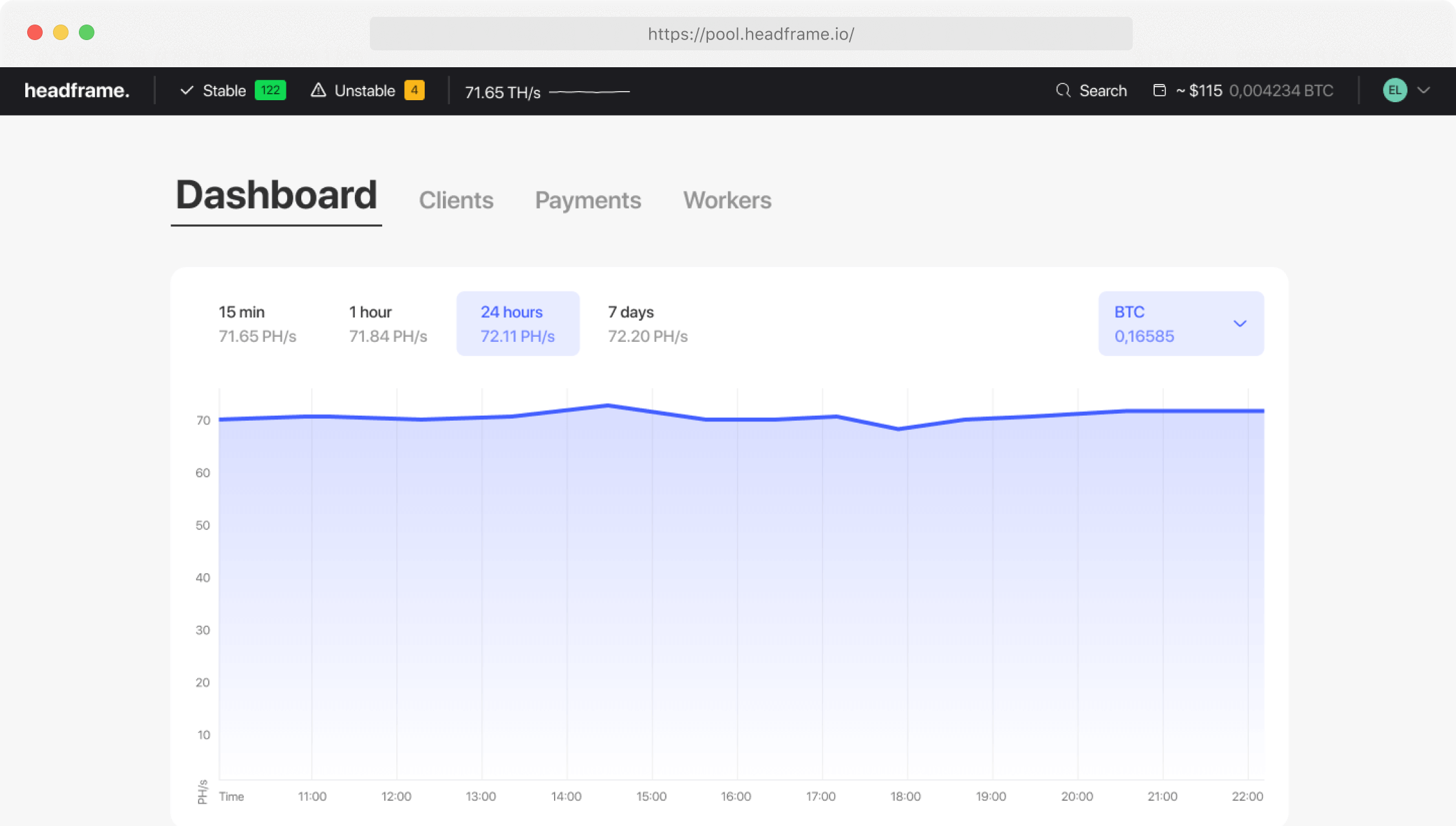
By aggregating hashrate, mining pools improve the consistency of block discovery. More regular block creation supports transaction processing and helps maintain smoother network operation, especially during periods of growing demand or rising difficulty.
For users, this operational stability is one of the less visible but more important roles pools play.
Security benefits
Mining pools also contribute to network security by helping maintain strong total hash power. A more secure network is generally more resistant to attacks and manipulation attempts. Some pools also strengthen operations further through infrastructure updates, software maintenance, and more resilient connection management.
These measures help protect both miners and the wider blockchain environment.
Fair reward systems matter
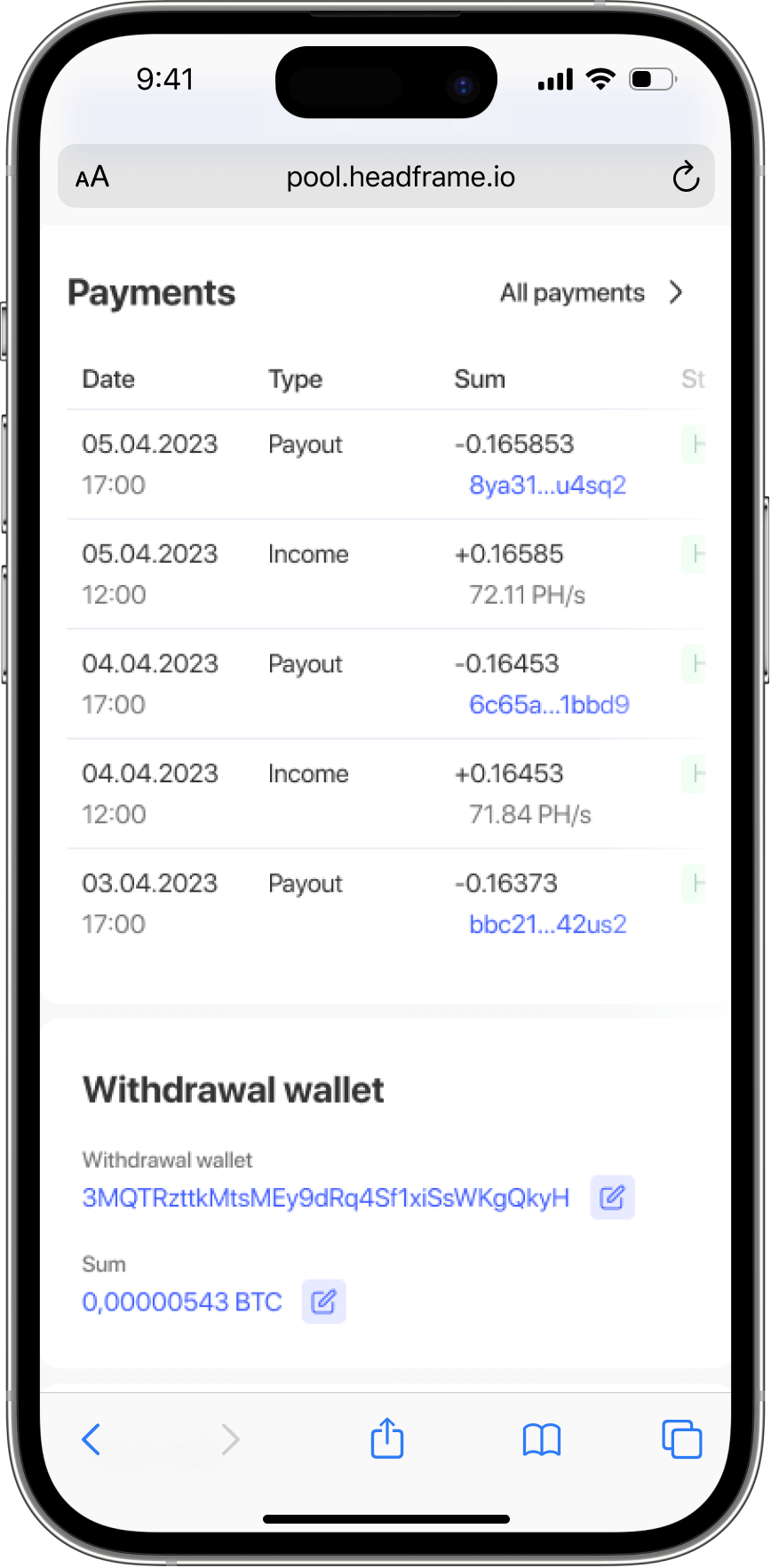
Stability is not only technical. It also depends on whether miners trust the pool to distribute rewards fairly. Models such as PPS and PPLNS help create predictable structures for income sharing, which can keep miners engaged and reduce uncertainty inside the pool.
When participants trust the reward model, they are more likely to remain active over time.
Adaptation to changing network conditions
Mining environments change through shifts in difficulty, software requirements, and market conditions. Pools that adapt quickly to these changes help preserve continuity for participants and reduce disruption. This flexibility is an important part of how pools support network stability in practice.
Without adaptation, even technically strong pools can become a source of instability rather than support.
Education and operational maturity
Many pools also strengthen the ecosystem by educating participants. Guidance on software, security, and mining practices can help reduce mistakes and improve overall network quality. Better-informed miners often contribute to a healthier operating environment for the pool and the network around it.
That educational role is often underestimated, but it matters.
Conclusion
Mining pools help keep cryptocurrency networks stable by supporting participation, improving the regularity of block creation, contributing to security, and maintaining fair reward systems. Their role is not limited to mining rewards alone.
In many networks, pools have become part of the operational foundation that helps blockchain systems remain functional, resilient, and accessible over time.