How to Troubleshoot Common Mining Pool Issues
Mining pools help miners combine computing power and improve the chances of earning rewards, but they can also present technical and operational problems. Troubleshooting these issues quickly is essential if you want to keep performance stable and minimize lost income.
Earn more money with Headframe
Получите лучшую доходность в майнинге. Самая низкая на рынке комиссия 0.9%, обход блокировок и ежедневные бесплатные выплаты.
Fluctuating Hash Rate
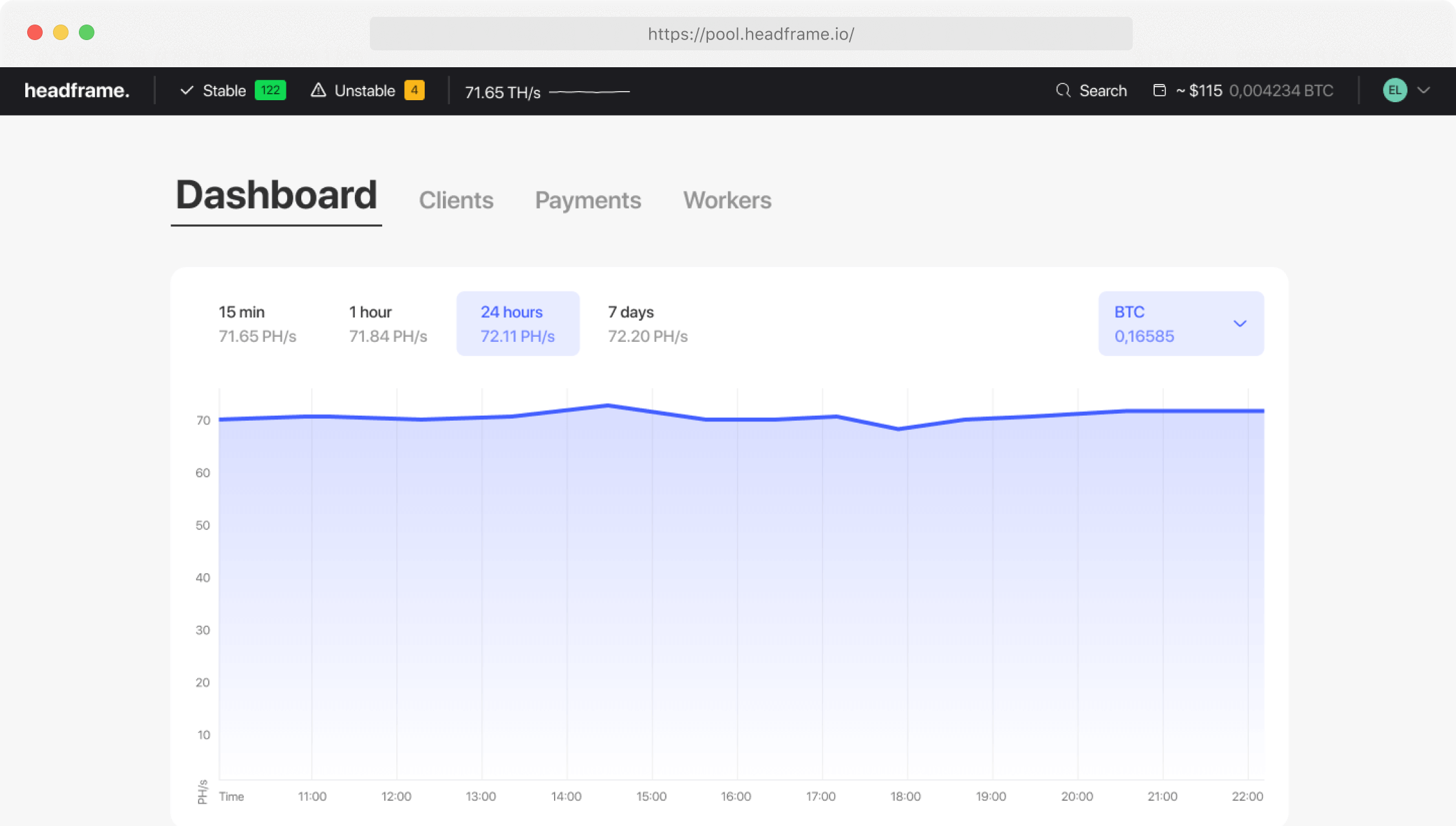
One of the most common problems is an unstable hash rate. If performance varies sharply, start by checking your hardware. Poor connections, overheating, and dust buildup can all reduce output.
Make sure cooling is adequate, components are functioning correctly, and airflow is not restricted. Hardware health is often the first place to look when performance drops unexpectedly.
Network Connectivity Problems
An unstable internet connection can interrupt mining activity and reduce submitted work. If you experience sudden performance loss or repeated disconnections, verify your network speed and stability.
A wired connection is often more reliable than Wi-Fi for mining. It is also worth checking your router, modem, and internet provider if interruptions continue.
Mining Software Misconfiguration
Incorrect software settings can also reduce performance. Review your mining software configuration, confirm that the correct pool address and port are being used, and make sure the software is up to date.
Where supported, test different settings carefully to find the most efficient balance for your hardware. If needed, use official documentation or trusted community guidance.
Frequent Pool Disconnections
Repeated disconnections may come from local network issues, incorrect software settings, or problems on the pool side. Start with the basics: verify your connection and confirm that the server information is correct.
If the issue continues, review the pool’s status page or announcements. Some pools provide multiple server regions, and changing to a closer or more stable server may help.
Payout Delays or Inconsistencies
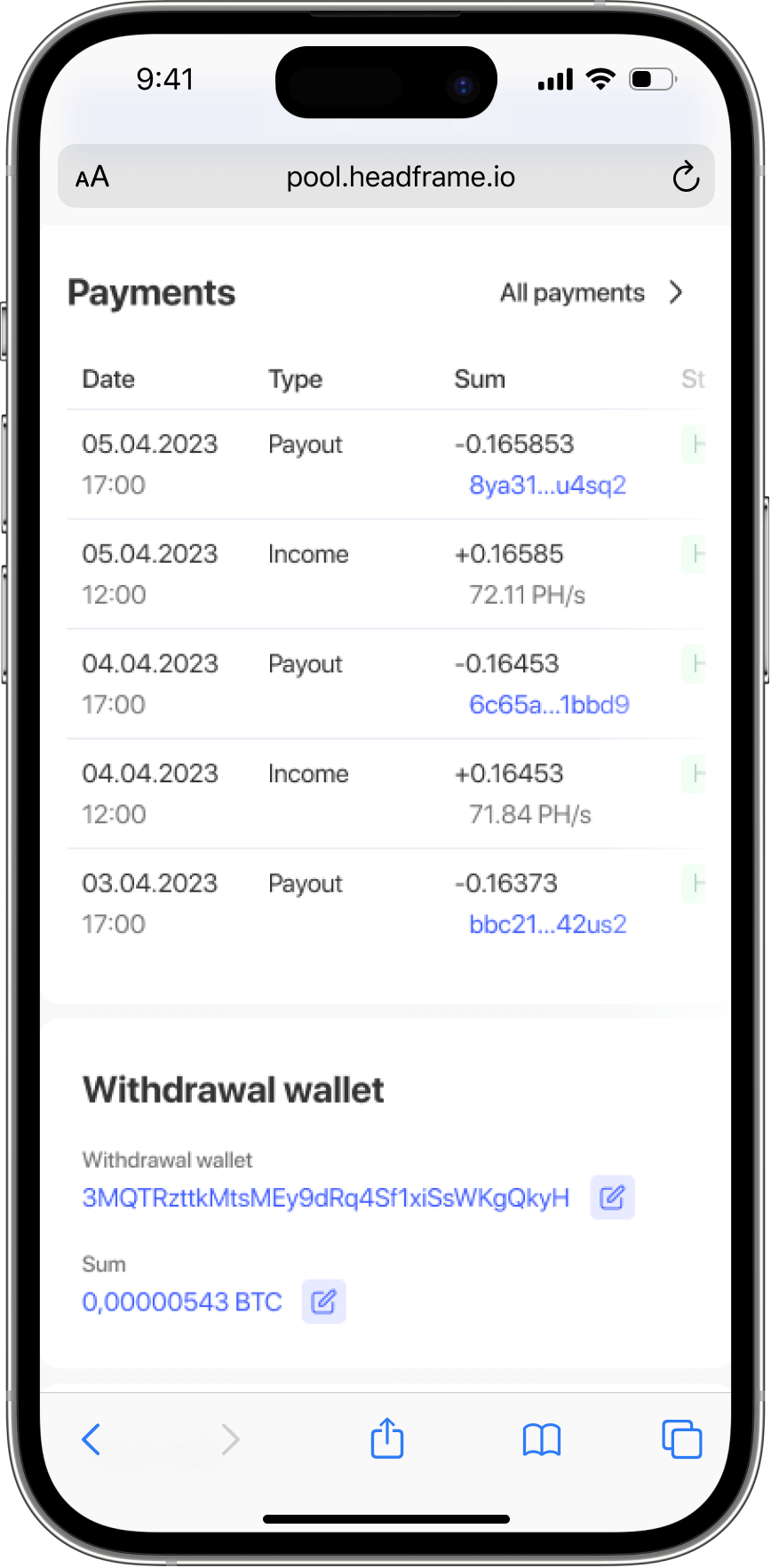
If payouts seem delayed or incorrect, review the pool’s payment rules before assuming there is a fault. Minimum payout thresholds, scheduled intervals, and pending balances can all affect when funds are received.
If the numbers still do not make sense, contact support with the relevant account and wallet details so the issue can be reviewed properly.
Stale Shares and Latency
Stale shares reduce efficiency because they no longer count toward valid work. They are often caused by latency or delays in communication between your rig and the pool server.
Reducing latency, improving connection stability, and using a server closer to your location can help limit stale shares and improve effective output.
Hardware and Power Issues
Mining hardware runs under continuous load, so failures are not unusual over time. Unusual noise, heat problems, or declining performance may indicate worn or faulty components. Power supply problems can have a similar effect if the system is not receiving stable power.
Routine maintenance, spare parts, and a correctly sized power supply can reduce downtime and help prevent more serious failures.
Security and Ongoing Maintenance
Security should always be part of troubleshooting. Use strong passwords, enable two-factor authentication, update software regularly, and avoid downloading tools from untrusted sources. Many performance issues are technical, but compromised systems can create far more serious problems.
Ongoing maintenance also matters. Cleaning hardware, checking updates, and reviewing performance trends can prevent small issues from becoming large ones.
Conclusion
Most mining pool problems can be managed with a structured troubleshooting approach. By checking hardware, network stability, software settings, pool status, and security practices, miners can resolve many common issues before they significantly affect earnings. Careful monitoring and regular maintenance remain the foundation of stable mining performance.