Mining Pools and the Future of DeFi
Mining pools already play an established role in cryptocurrency infrastructure, and their connection to decentralized finance is becoming more relevant as blockchain ecosystems expand. By helping maintain network security and generate regular mining rewards, pools may contribute to the growth of DeFi in several indirect but important ways.
The relationship is not always obvious, but it becomes clearer when looking at security, liquidity, and reward usage across decentralized systems.
Why mining pools matter to DeFi infrastructure
DeFi depends on blockchains that remain secure, reliable, and active. In Proof of Work systems, mining pools help provide that stability by coordinating computational power and supporting ongoing block production. This contributes to the trust and continuity that decentralized financial systems require.
Without dependable network operation, DeFi services would be harder to sustain.
Mining rewards can feed into DeFi activity
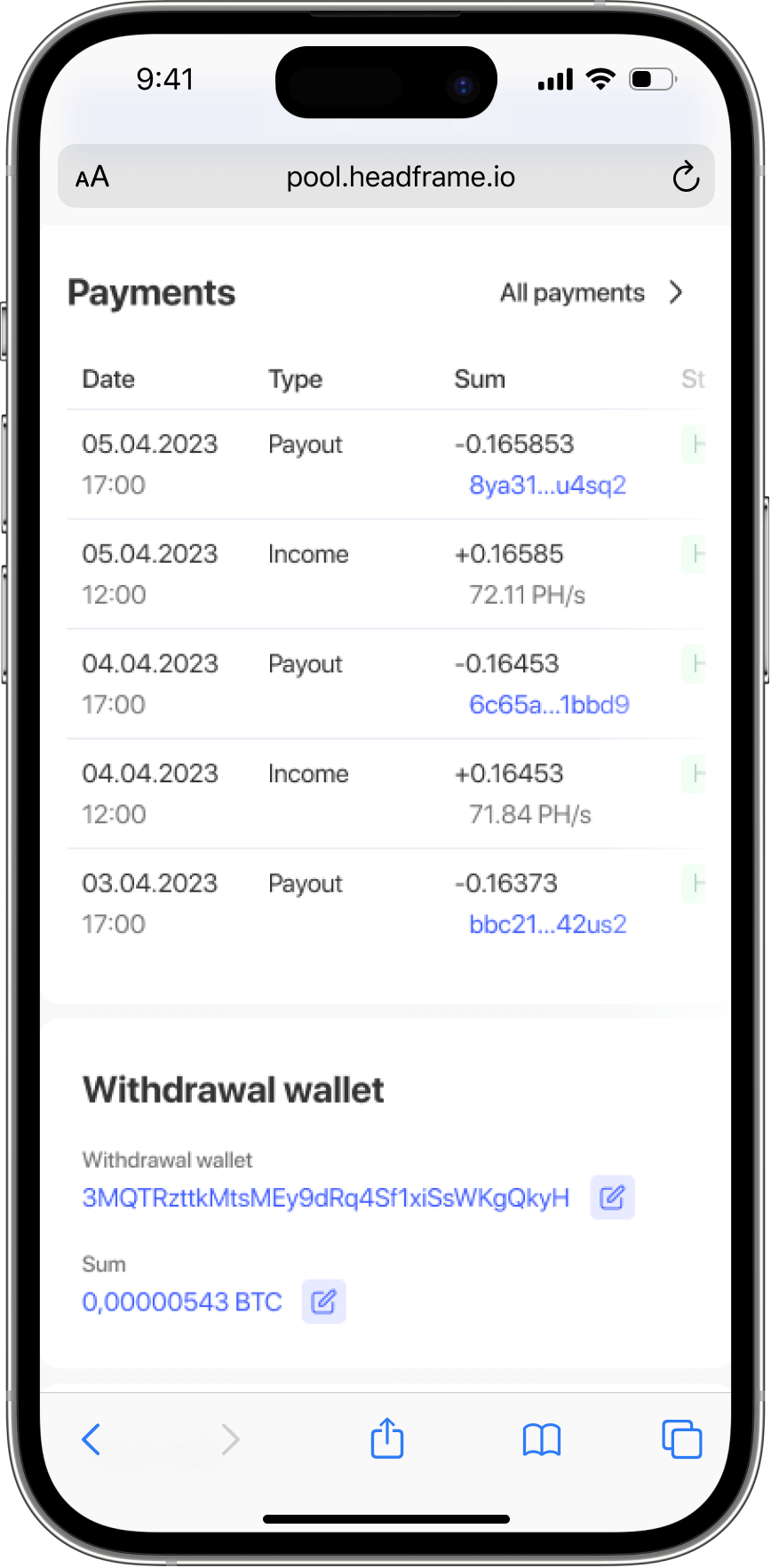
Mining pools distribute rewards to participants, and those rewards can later be used across decentralized finance platforms. In practice, miners may direct earned assets into lending protocols, liquidity pools, decentralized exchanges, or other on-chain services.
This means mining can become a source of capital flow into DeFi, even when the pool itself is not directly operating a DeFi product.
Liquidity and reinvestment opportunities
Some mining-related services are increasingly connected to reinvestment models that encourage participants to put rewards back into broader crypto activity. When mining rewards are used for liquidity provision or other decentralized applications, mining pools can indirectly support ecosystem depth and engagement.
This interaction becomes more important as users look for ways to increase capital efficiency across different parts of the market.
Integration trends are growing
Current trends suggest that mining-related businesses may move toward deeper integration with financial tools and automated asset management. Some models may allow users to direct rewards more efficiently into DeFi services, creating closer connections between mining operations and decentralized finance participation.
These developments are still evolving, but they point toward more overlap between infrastructure and financial utility.
Future changes in consensus may reshape the relationship
The long-term role of mining pools in DeFi may also depend on how blockchain consensus models evolve. Changes in network design can alter the role of traditional mining over time. Even so, pools and mining-related operators may continue to adapt by finding new ways to remain relevant inside broader blockchain ecosystems.
Adaptability will likely determine how strongly mining pool activity remains connected to DeFi growth in the future.
Environmental and social context
Energy use remains an important factor in how mining is viewed. Pools that improve efficiency or support renewable energy may be better positioned to participate in a more sustainability-aware crypto environment. That reputational factor can matter as decentralized finance becomes more visible to wider audiences.
Community trust also matters, especially when users increasingly expect stronger transparency and responsible infrastructure participation.
Conclusion
Mining pools and DeFi operate in different parts of the cryptocurrency ecosystem, but they are not disconnected. Pools help secure networks, generate reward flows, and may contribute liquidity or reinvestment capital into decentralized finance over time.
As blockchain systems continue to develop, the relationship between mining activity and DeFi is likely to deepen in ways that make infrastructure and finance even more closely linked.