Tools for Analyzing and Evaluating Mining Pools
Choosing a mining pool is easier when it is based on data rather than assumptions. A range of tools now helps miners compare pools by performance, reward structure, stability, and broader operating quality. These tools support more informed decisions and make it easier to spot weak options early.
Earn more money with Headframe
Получите лучшую доходность в майнинге. Самая низкая на рынке комиссия 0.9%, обход блокировок и ежедневные бесплатные выплаты.
For both miners and investors, analysis tools play a practical role in managing risk and improving outcomes.
Hashrate monitoring tools
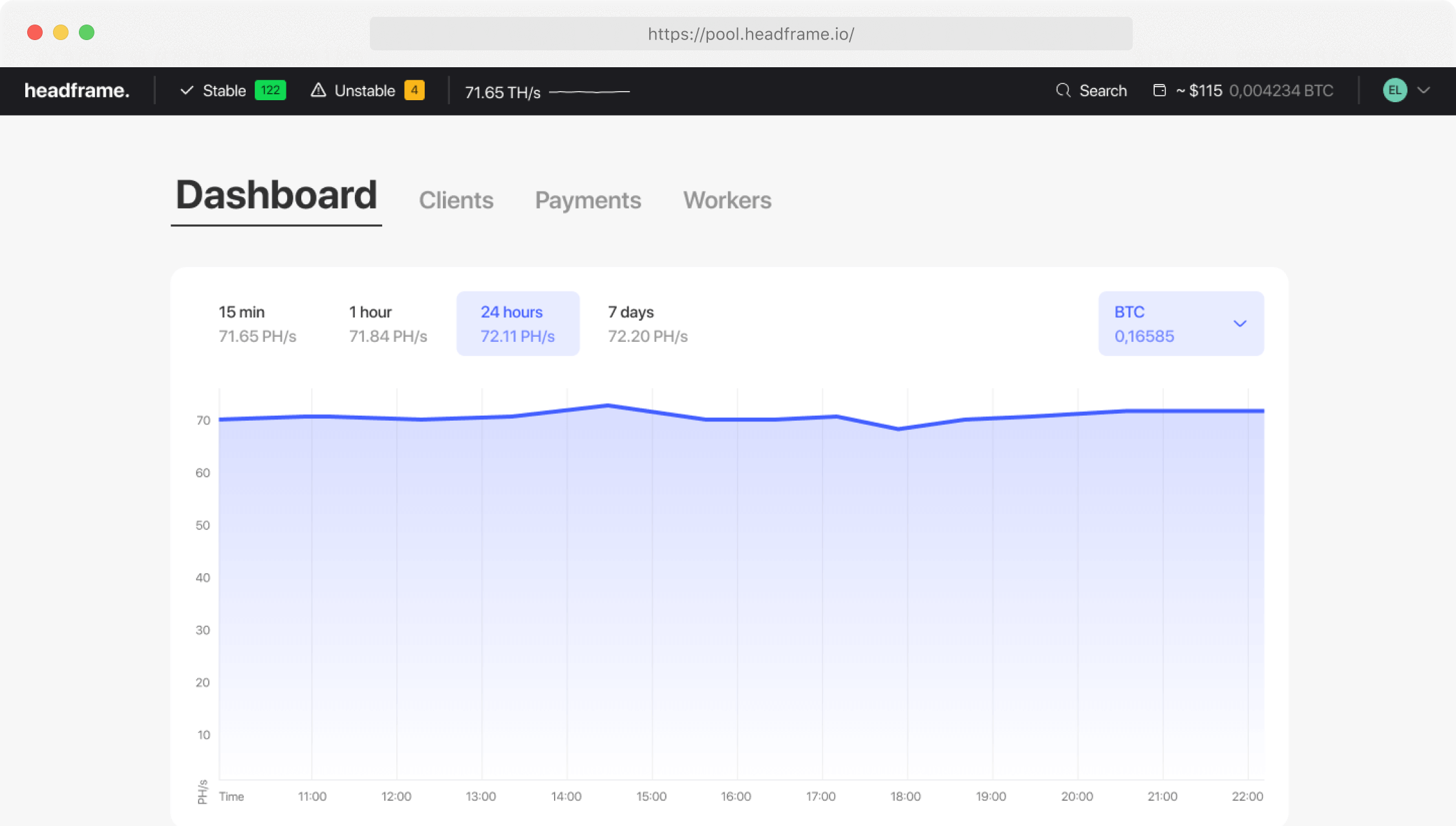
One of the most common types of analysis tool focuses on hashrate. These platforms show how much computational power a pool currently controls and how that figure changes over time. This helps miners assess the pool’s scale, consistency, and operational strength.
It can also be useful when comparing pools that look similar on the surface but behave differently in practice.
Reward distribution analysis
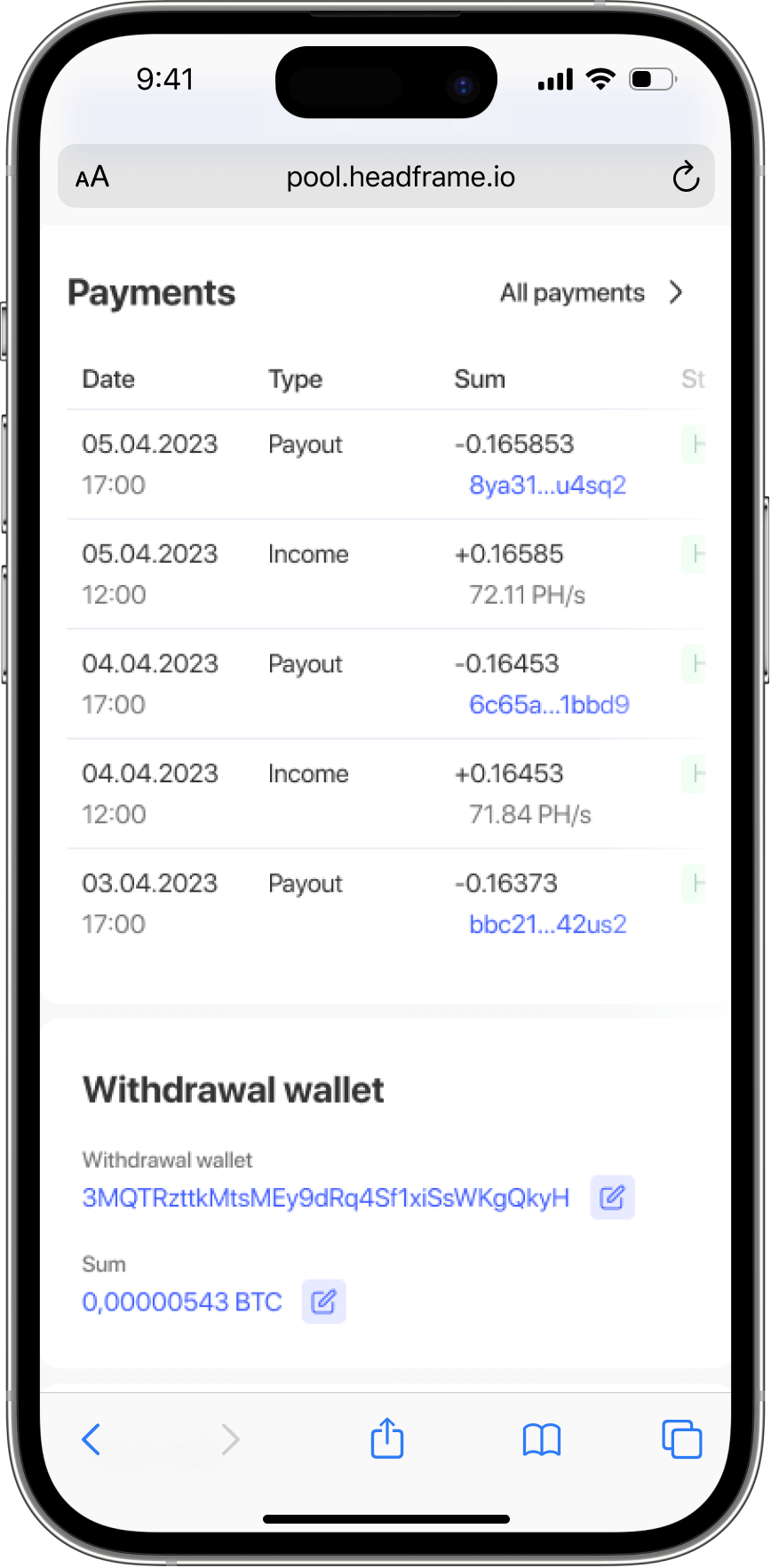
Another important category of tools helps users understand how a pool distributes rewards. By reviewing payout history, share-based models, thresholds, and transparency, miners can decide whether a pool’s reward structure matches their expectations.
This is especially important when fairness and predictability matter as much as raw performance.
Operational analytics platforms
Some tools provide broader operational statistics such as block discovery timing, payout frequency, fee levels, uptime, and historical performance. These platforms are useful because they turn separate signals into a more complete picture of how the pool operates over time.
For long-term comparison, this broader data is often more valuable than one metric alone.
Adaptation and change tracking
Mining conditions do not stay fixed. Difficulty adjustments, protocol changes, and broader market shifts can all affect profitability. Tools that track these changes help miners understand how well a pool adapts and whether its operating model remains competitive under new conditions.
This kind of visibility can help miners respond earlier rather than after profitability has already fallen.
User feedback and support signals
Quantitative metrics are important, but they are not everything. Reviews, community discussions, and support-related signals can also reveal how responsive and reliable a pool is. Some tools and platforms aggregate this kind of feedback, making it easier to compare the user experience across multiple operators.
Operational trust often becomes clearer when both hard data and user sentiment are considered together.
Comparative tools matter most
The most useful tools are often the ones that compare multiple pools side by side. These help miners review fees, hashrate, payout policies, reliability, and user-facing quality in one place. Comparison tools reduce guesswork and help turn raw information into a more useful decision framework.
That matters especially when choosing between several plausible options.
Conclusion
Tools for analyzing mining pools help miners move beyond marketing claims and base decisions on measurable indicators. Hashrate dashboards, payout analysis, operational statistics, adaptation tracking, and community feedback all contribute to a better evaluation process.
The stronger the analysis, the easier it becomes to choose a pool that supports both profitability and long-term stability.