How to Optimize Your Mining Pool Strategy
- Choose the right mining pool
- Optimize hardware and software setup
- Balance hash rate and energy use
- Improve energy efficiency
- Monitor performance continuously
- Diversify when appropriate
- Stay informed and adapt
- Protect operations with stronger security
- Manage risk deliberately
- Use automation and analytics carefully
- Conclusion
Optimizing a mining pool strategy is about more than joining a popular pool and waiting for payouts. Long-term efficiency depends on how well miners choose pools, manage hardware, control energy costs, monitor performance, and respond to market changes. A structured approach can improve both profitability and operational stability.
Whether you are new to mining or already managing a more advanced setup, refining your strategy helps make better use of resources and reduces avoidable losses.
Choose the right mining pool
The first strategic decision is selecting a pool that fits your goals. Mining pools differ in fee structure, payout method, reputation, reliability, and user support. These differences can directly affect how stable and predictable your returns will be.
When comparing pools, it helps to focus on a few essentials:
- fee levels and how they affect long-term returns,
- payout models such as PPS, PROP, or PPLNS,
- historical uptime and operational reputation,
- quality of communication and support.
The best choice is not always the pool with the lowest fee. In many cases, stronger stability and clearer reporting offer better overall value.
Optimize hardware and software setup
Hardware performance has a direct influence on mining results. Different cryptocurrencies require different equipment, so miners should align their setup with the network they target. ASIC devices may be more suitable for some workloads, while GPUs can offer more flexibility in others.
Efficiency improves when equipment is properly configured, regularly maintained, and monitored for overheating or instability. Software settings also matter, since even small configuration improvements can help reduce wasted power or underperformance.
Balance hash rate and energy use
Higher output is useful only when it remains cost-effective. Overclocking, for example, can increase hash rate, but it can also raise power consumption, heat, and hardware wear. That tradeoff needs to be managed carefully.
A practical strategy is to look for the best balance between performance and operating cost. In many cases, stable and efficient mining delivers better long-term results than pushing equipment to its limits.
Improve energy efficiency
Electricity is one of the largest recurring costs in mining. Lowering power consumption can therefore make a meaningful difference to profitability. This can involve using more efficient hardware, adjusting power settings, and improving cooling to reduce unnecessary strain on equipment.
Some miners also explore renewable energy options where available. While the economics vary by location, better energy management can support both lower costs and more sustainable operations.
Monitor performance continuously
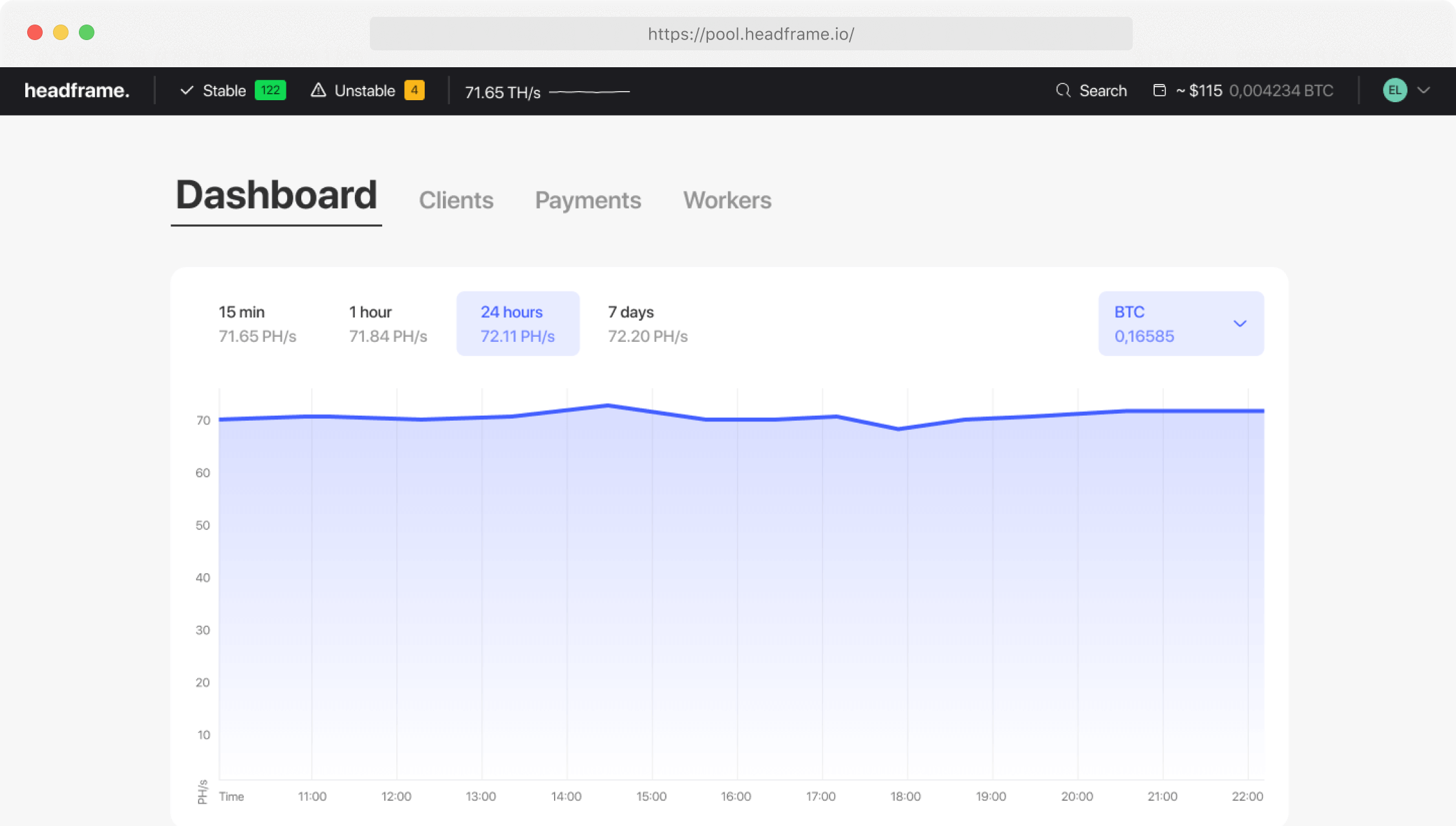
Mining performance should be tracked regularly rather than reviewed only when problems appear. Real-time monitoring helps identify drops in hash rate, temperature spikes, unstable connections, or changes in earnings before they become more serious.
Useful metrics to watch include:
- hash rate consistency,
- power usage,
- device temperature,
- pool latency and connection stability,
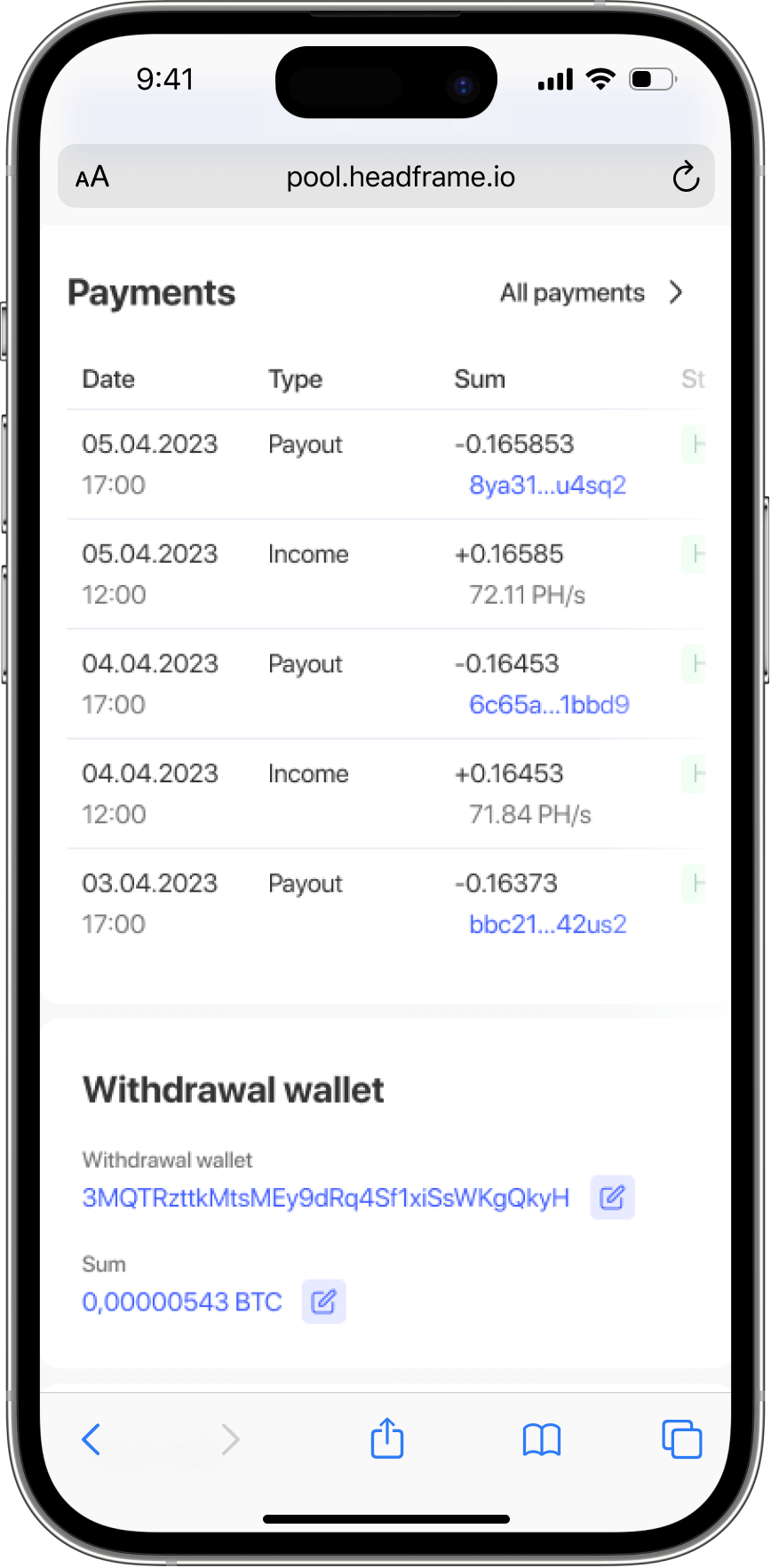
- actual payout trends.
This data makes it easier to adjust settings, compare pools, and improve decision-making over time.
Diversify when appropriate
Mining strategy does not always need to rely on a single pool or a single asset. Diversifying across different pools or cryptocurrencies can help reduce exposure to changes in network difficulty, reward conditions, or market volatility.
For some miners, spreading activity across multiple options creates a steadier income profile. The right level of diversification depends on equipment, goals, and tolerance for operational complexity.
Stay informed and adapt
The mining environment changes constantly. Network difficulty, reward dynamics, hardware efficiency, and market conditions all influence profitability. Miners who stay informed are better positioned to adjust before these changes materially affect performance.
Following industry developments, community discussions, and technical updates can help refine strategy over time. Flexibility is often as important as technical skill.
Protect operations with stronger security
Security is a strategic concern, not just a technical detail. Weak account protection, outdated software, or poor wallet practices can undermine otherwise efficient mining operations. Strong passwords, two-factor authentication, and timely software updates are basic but important safeguards.
It is also wise to use secure storage for rewards and rely on reputable tools and services. Protecting earnings is part of optimizing the whole system.
Manage risk deliberately
Mining involves several forms of risk, including price volatility, hardware failure, and regulatory change. A stronger strategy accounts for these uncertainties instead of assuming ideal conditions will continue.
Risk management may include maintaining financial reserves, planning for downtime, diversifying activity, and avoiding overdependence on a single provider or setup. These steps do not remove risk, but they can make operations more resilient.
Use automation and analytics carefully
Automation tools can simplify routine tasks such as switching pools, adjusting settings, or monitoring profitability. Analytics can also reveal patterns that are hard to spot through manual observation alone.
Used well, these tools support faster and more informed decisions. They are most effective when paired with regular oversight rather than treated as a complete replacement for strategy.
Conclusion
An effective mining pool strategy combines pool selection, hardware efficiency, energy management, monitoring, diversification, security, and risk control. Each part contributes to better long-term performance, especially in a competitive and fast-changing industry.
Miners who approach these factors systematically are in a stronger position to improve returns, reduce inefficiencies, and build a more sustainable operation over time.