How Artificial Intelligence Improves Mining Pool Management
Artificial intelligence is becoming more relevant in mining pool operations because modern mining produces large amounts of real-time data. Pools need to monitor hardware, adjust to changing network conditions, manage costs, and respond to security issues quickly. AI can help make those processes faster and more adaptive.
Used properly, it can support efficiency, security, and more informed operational decisions.
Performance optimization
One of the clearest uses of AI in mining pools is performance optimization. Machine learning systems can analyze patterns in operational data and suggest or automate adjustments that improve hashrate efficiency, reduce downtime, or lower unnecessary energy use.
This can be especially useful when conditions change too quickly for manual oversight alone.
Forecasting and risk management
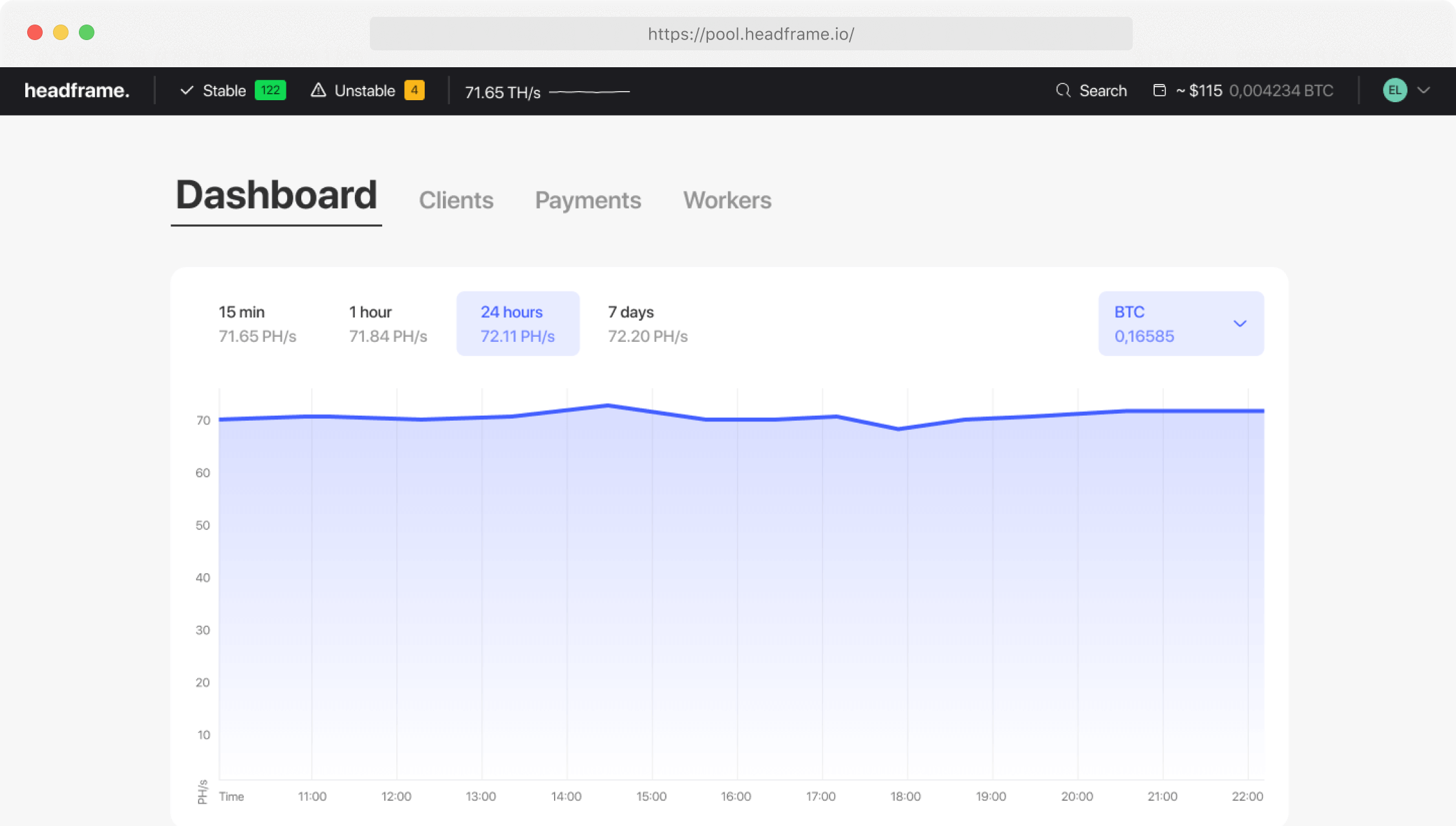
AI can also support better forecasting by analyzing historical performance, market behavior, and network conditions. This helps pools estimate future revenue more accurately and respond more effectively to difficulty changes or price volatility.
Forecasting does not remove uncertainty, but it can improve planning quality.
Security monitoring
Mining pools face cybersecurity risks ranging from anomalous user behavior to attempted attacks on infrastructure. AI-based monitoring systems can help detect unusual patterns in traffic, access, or operational activity and flag them earlier than manual methods might.
Earlier detection can reduce the time available for an attack to cause damage.
Smarter resource management
Another useful application of AI is resource allocation. Pools need to decide how infrastructure, monitoring, and available power should be distributed across systems and workloads. AI can help identify bottlenecks, improve task allocation, and reduce idle or wasted capacity.
This can improve overall operating efficiency at scale.
Energy efficiency
Because electricity cost is one of the largest recurring expenses in mining, AI-driven analysis of power usage can be valuable. Systems that detect waste, compare efficiency patterns, or support better cooling strategies may help pools reduce cost while maintaining performance.
In some operations, energy optimization may be one of the strongest practical cases for AI adoption.
Participant support and interaction
AI can also improve user-facing service through chatbots, automated support, and faster issue routing. While this does not replace technical teams, it can make basic support more available and reduce delays in handling common questions or setup issues.
Better support can improve participant satisfaction and reduce operational load.
Conclusion
Artificial intelligence can improve mining pool management across performance optimization, forecasting, security, resource allocation, energy efficiency, and participant support. Its value comes less from hype and more from helping operators respond faster and manage complexity more effectively.
As mining infrastructure becomes more data-driven, AI is likely to play a larger role in how advanced pools operate and compete.