What Is a Memo in Crypto and Why It Matters
In 2026, the cryptocurrency market is far more mature than it used to be, but some technical details still make even experienced users nervous. One of the most important is the Memo field, also called a Tag. A mistake in this short string of numbers or letters leads to temporary loss of access to millions of dollars in crypto every year.
What Is a Memo or Tag in Cryptocurrency?
Memo (or Destination Tag) is a unique identifier added to a transaction in certain blockchain networks. If a wallet address is like the street address of an apartment building, then the Memo is your apartment number. Without that apartment number, the package reaches the building, but the recipient cannot be identified.
Technically, it is an extra data field inside the transaction. Depending on the blockchain, it can have different names:
- Memo: Used in Stellar (XLM), EOS, and Cosmos (ATOM).
- Destination Tag: Used in Ripple (XRP).
- Comment/Message: Common in TON and some other protocols.
It is important to understand that a Memo is not a password or a private key. It is simply a marker that helps the receiving platform sort incoming payments correctly.
Why Memo Is Important: How Exchanges and Wallets Use It
Why not make things simpler and rely only on a wallet address, as Bitcoin does? The answer lies in efficiency and the architecture of large crypto platforms.
Most centralized exchanges and major services use one or several shared hot wallets to receive deposits from thousands of users. Creating a separate blockchain address for every customer in networks like XRP or XLM is inefficient and expensive. Instead, an exchange usually:
- Uses one shared deposit address for all incoming transactions in a specific network.
- Assigns each user a unique Memo/Tag.
- Matches the incoming transaction by that Tag and automatically credits the correct account balance.
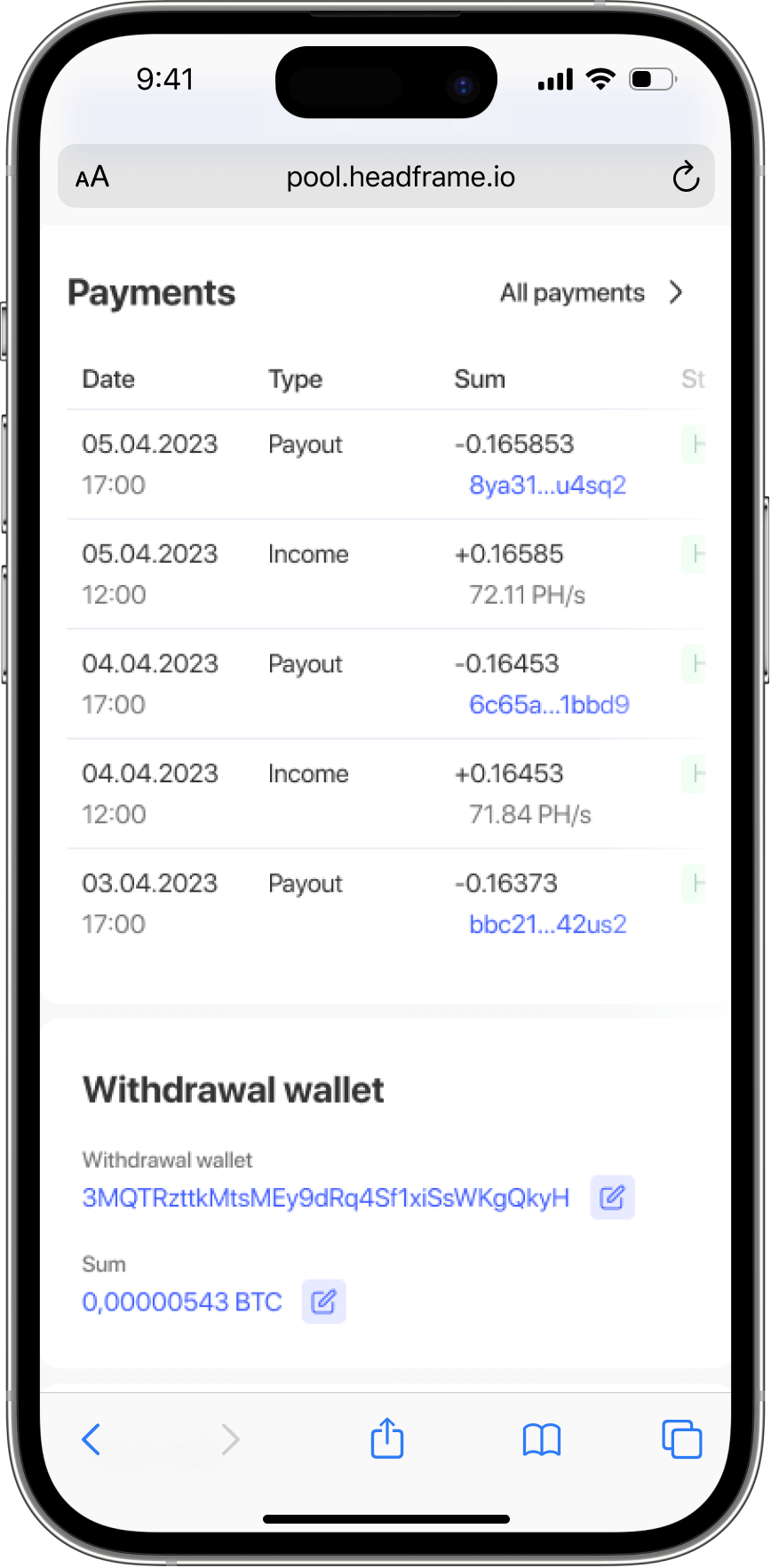
For miners earning Bitcoin on Headframe, the process is simpler because the BTC network does not use Memo fields. Your mining payouts are sent directly to your Bitcoin address. But if you later transfer your coins from a wallet to an exchange in order to trade them for assets like ATOM or XRP, understanding how Memo works becomes essential.
Which Crypto Networks Require a Memo?
Not every cryptocurrency needs this field. In 2026, there is already a clear list of major networks where a missing Tag will almost certainly cause the transaction to be delayed or left uncredited.
| Cryptocurrency (Ticker) | Field Name | Required for Exchange Deposits |
|---|---|---|
| Ripple (XRP) | Destination Tag | Required |
| Stellar (XLM) | Memo | Required |
| Cosmos (ATOM) | Memo | Required |
| EOS (EOS) | Memo | Required |
| TON (TON) | Comment / Message | Required for most exchanges |
Please note: If you are sending coins to your own self-custody wallet, such as Ledger or Trezor, a Memo is usually not required. But when an exchange generates a deposit address, it will normally warn you clearly with a message like: “Memo is required.”
Where to Find and How to Use a Memo or Tag Correctly
The process is fairly standard. Here is a typical example:
- Open the Deposit section on your exchange.
- Select the coin you want to receive, for example XRP, and choose the correct network.
- The system will show both the Address and the Destination Tag or Memo.
- In the wallet you are sending from, paste the address into the recipient field and enter the Tag into the dedicated Memo or Tag field.
What Happens If You Forget the Memo or Enter It Incorrectly?
This is one of the most common crypto transfer mistakes. The good news is that the funds do not disappear from the blockchain. They usually reach the exchange wallet, but remain unassigned because the platform cannot determine which user should receive them. The bad news is that recovering the funds can take anywhere from a few days to several weeks.
How to recover your crypto:
- Collect all key information: the transaction hash (TXID), a screenshot from the sending wallet, and your exchange account ID.
- Contact the support team of the receiving exchange or platform.
- Be prepared for a recovery procedure. Some exchanges charge a fixed fee for manually locating and crediting the transaction.
- In some cases, the exchange may ask you to send a small follow-up transaction from the same wallet with the correct Memo to prove ownership.
Remember that blockchain transactions are irreversible. If you send funds with the wrong Memo and that Memo belongs to another user, recovering the coins may be almost impossible because they can be credited to someone else’s account.