Mining Pools for Beginners: What You Need to Know
Mining pools are one of the most common ways for beginners to enter cryptocurrency mining. Instead of mining alone with low odds of finding a block, pool participants combine computational resources and share rewards based on contribution. This makes mining more accessible and usually more predictable.
For newcomers, understanding how pools work is one of the first steps toward building a practical mining strategy.
What a mining pool is
A mining pool is a group of miners working together to improve the chance of earning rewards. When the pool successfully mines a block, the reward is divided among participants according to the rules of the pool and the amount of work each miner contributed.
This collaborative model is especially useful for miners who do not have large-scale hardware setups.
Why beginners often start with pools
Solo mining can be highly unpredictable, especially for people with limited equipment. Pools help reduce that uncertainty by creating a steadier reward flow. This can make mining feel more manageable and easier to evaluate financially.
For many beginners, pools are the simplest way to learn how mining works while still receiving practical results.
Common payout methods
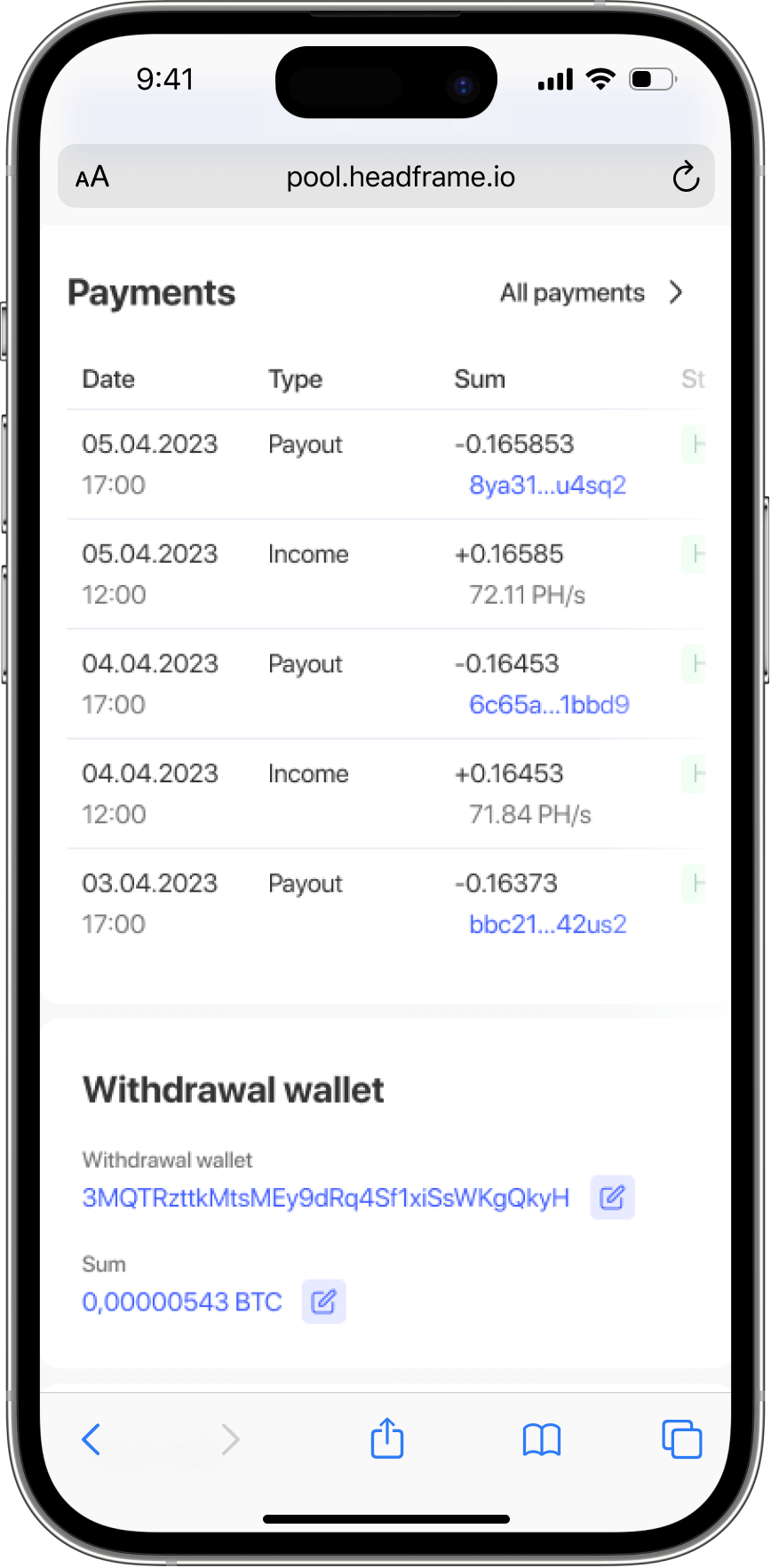
Before joining a pool, it is important to understand how rewards are distributed. Different pools use different payout methods, and each one affects income differently.
- PPS offers predictable payments per valid share.
- PROP distributes rewards according to shares contributed during a round.
- PPLNS tends to reward consistent participation over time.
Beginners should compare these methods carefully before choosing a pool.
How to get started
Joining a mining pool usually involves a few basic steps. First, choose a pool that supports the cryptocurrency you want to mine. Then create an account if required, install mining software, and connect your setup to the pool using the server details it provides.
You will also need a wallet address for receiving rewards, so secure wallet setup is an important part of the process.
What to look for when choosing a pool
Not all pools are equally suitable for beginners. It is worth checking several basics before joining:
- supported cryptocurrency,
- payout method,
- fee structure,
- reputation and reliability,
- minimum payout threshold,
- security features,
- quality of support and documentation.
A beginner-friendly pool usually combines clear rules, stable infrastructure, and simple onboarding.
Security basics for new miners
Security should be taken seriously from the start. Pool accounts and wallets should use strong passwords and multi-factor authentication whenever possible. Mining software should only be downloaded from trusted sources, and systems should be kept updated with current security patches.
Even small mistakes in account protection can lead to avoidable losses.
Why monitoring matters
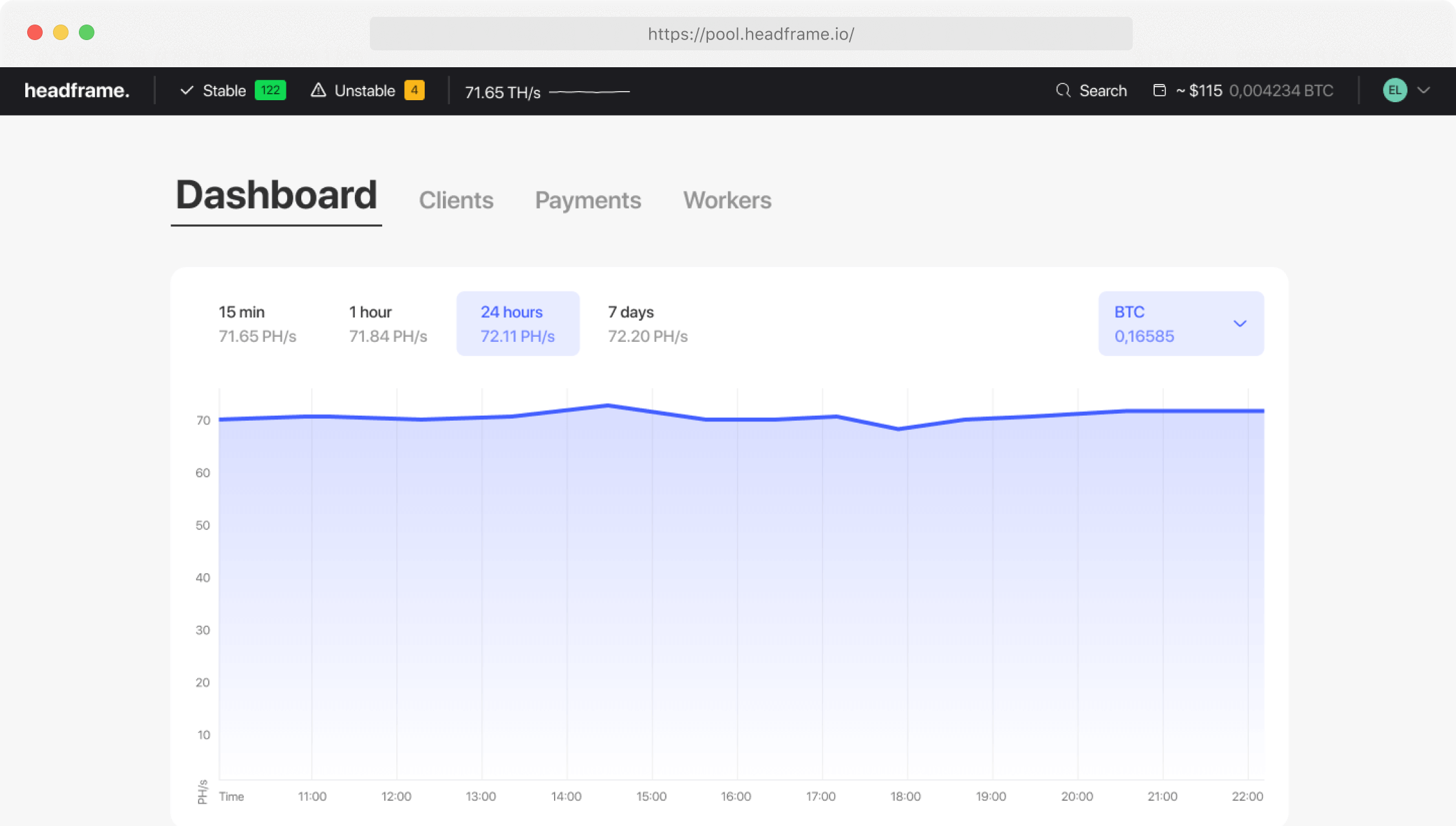
Most mining software and pools provide live data on hash rate, temperature, power use, and earnings. Watching these numbers helps beginners understand whether the setup is running correctly and whether any issue needs attention.
Learning to monitor performance early makes it easier to improve efficiency later.
Energy costs and profitability
Mining can consume significant electricity, which means profitability depends on more than rewards alone. Beginners should estimate energy costs before committing to a setup. In some cases, power cost can have a larger impact on results than pool choice itself.
That is why mining should be treated as both a technical activity and a cost-management exercise.
Conclusion
Mining pools are often the best starting point for beginners because they make mining more accessible, collaborative, and financially predictable. By understanding payout methods, setup steps, security, and operating costs, new miners can make more informed decisions from the beginning.
The strongest first move is not simply joining any pool, but choosing one that matches your goals, hardware, and level of experience.